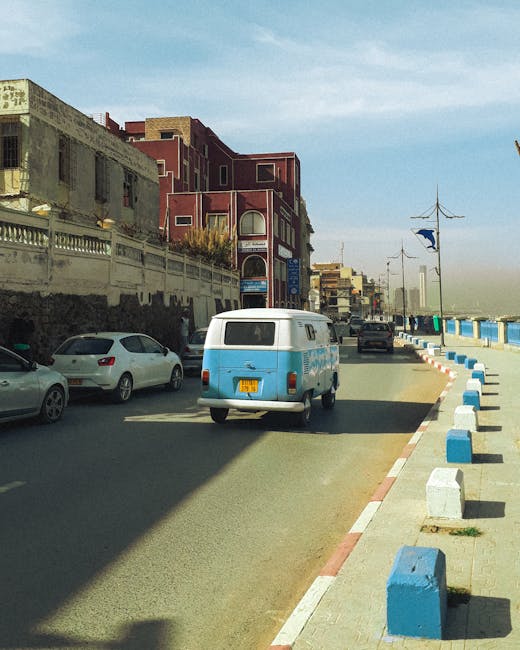
Wandsworth Bridge Road Moves - Best Van Routes in Sands End
Posted on 26/05/2026
If you are planning a move around Wandsworth Bridge Road, the route matters just as much as the van. In Sands End, a smart moving plan can save time, reduce stress, and spare you that awkward moment when a street seems perfectly fine until a delivery lorry gets stuck halfway through. This guide to Wandsworth Bridge Road Moves - Best Van Routes in Sands End breaks down the local route choices, timing issues, access quirks, and practical steps that make moving day feel far more manageable.
Whether you are shifting a flat, moving office gear, collecting furniture, or arranging a same-day job, the right route can make the difference between a smooth run and a frustrating delay. Let's face it, nobody wants to be circling the same few streets with boxes in the back while the clock keeps ticking.
Below, you will find a clear route-focused breakdown, useful moving advice, and trusted internal resources to help you plan the rest of your move properly.

Why Wandsworth Bridge Road Moves - Best Van Routes in Sands End Matters
Moving in and around Sands End is not just about loading items into a van and heading off. The local road layout, traffic patterns, and access points all influence how long a job takes and how safe it is. Wandsworth Bridge Road is a key corridor, so if you are moving from there or into the surrounding streets, route planning becomes part of the job, not an afterthought.
Why does that matter so much? Because a poor route can create a chain reaction: late arrival, missed loading windows, extra parking stress, blocked access, and unnecessary lifting. A good route, by contrast, helps with timing, protects fragile items, and keeps the whole day calmer. It also makes sense commercially. Time lost in traffic is time not spent moving your things properly.
In our experience, the best moves in this area usually start before the van even turns the key. That means checking access, deciding where the vehicle can stop safely, and understanding whether a route is more suitable for a man with a van in Sands End, a larger removal van, or a more flexible man and van service.
It sounds simple. Sometimes it is. But urban moving is full of small details, and those small details are where delays like to hide.
How Wandsworth Bridge Road Moves - Best Van Routes in Sands End Works
The process starts with matching your load size to the road conditions. A compact van may be perfect for quicker access and tighter turning, while a larger vehicle may be better for bigger household moves. The best route depends on where you are starting, where you are delivering to, and whether the van can stop close enough for efficient loading and unloading.
A practical route plan often includes:
- checking the main approach roads before move day
- identifying safer stopping points near the property
- avoiding unnecessary turns through heavily congested side streets
- planning for school runs, peak commuting, and local delivery traffic
- making sure the van size matches access constraints
If you are moving furniture, bulky items, or a whole flat, route choice is closely tied to loading efficiency. For example, if a van has to park too far away, even a straightforward sofa move can become awkward. That is one reason many people pair route planning with furniture removals in Sands End or a broader house removals service rather than trying to manage it piece by piece.
There is also the issue of timing. Early morning can be calmer for access, but not always ideal for every household. Midday may be easier for parking, yet busier on the road. A good mover weighs these trade-offs rather than assuming one slot works for everything. That's the real difference between a rushed move and a controlled one.
Key Benefits and Practical Advantages
The right route does more than shave a few minutes off the journey. It changes the feel of the whole move.
1. Less waiting, more doing. If the van can access your property without circling the block, the crew can keep moving. That means less time with doors open, less lifting in bad weather, and less chance of damage.
2. Better protection for your belongings. Shorter carry distances reduce the chance of knocks, slips, and strain. That matters for everything from boxed kitchenware to heavier items like beds and wardrobes. If you are moving a delicate instrument, the route and loading plan become even more important. Many readers also find it useful to read why piano moving is best left to professionals.
3. Lower stress on moving day. A route plan removes uncertainty. You know where the van is likely to stop, how the access works, and what the next step is. That calm matters. Moving day can already feel a bit too loud and busy, with cardboard flaps, tape guns, and that one drawer you forgot to empty.
4. Better value for money. A smoother route usually means less wasted labour time. If you are comparing services, route efficiency should be part of the value discussion, not just the headline price. You can also use the company's pricing and quotes page to understand how the job may be assessed.
5. Easier coordination with other moving tasks. Route planning links naturally with packing, decluttering, and cleaning. If you need a more organised lead-up, see efficient decluttering solutions for a stress-free move and packing like a pro without the hassle.
| Route Choice | Best For | Typical Advantage | Watch Out For |
|---|---|---|---|
| Direct main-road route | Simple collections and local drops | Fastest point-to-point journey | Peak traffic and busier junctions |
| Side-street approach | Properties with easier frontage access | Can reduce walking distance | Narrow turns and limited stopping space |
| Timed off-peak route | Full house or office moves | Less congestion, less pressure | May require earlier planning |
| Two-stage loading plan | Bulky or fragmented loads | Useful where access is awkward | Requires stronger coordination |
Who This Is For and When It Makes Sense
This topic is relevant to anyone moving within Sands End, especially if your property sits near a busier road or in a place where van access can be awkward at certain times. It is particularly useful for:
- homeowners moving into or out of a house or flat
- tenants who need a practical local moving plan
- students with smaller loads and tighter budgets
- small businesses relocating equipment or furniture
- people arranging same-day or short-notice transport
It also makes sense if you are weighing up whether to use a dedicated removal company or a lighter-touch service. For smaller loads, a removals service in Sands End may be enough. For flat moves, the specialist support offered by flat removals in Sands End can be more appropriate.
If you are moving a student room, the route might not be the biggest challenge, but timing still matters. The same goes for light office equipment: one poor parking choice can turn a tidy job into a messy one. Truth be told, a lot of moving stress comes from underestimating access rather than the packing itself.
This is also relevant when you need storage between addresses. In that case, your route and your storage handover are part of the same moving chain. See storage options in Sands End if your timeline is not perfectly aligned.
Step-by-Step Guidance
If you want a move near Wandsworth Bridge Road to feel controlled rather than chaotic, use a simple method. Nothing fancy. Just a clear sequence.
- Map your property access. Look at where the van can safely stop, whether there is space to unload, and how far items need to be carried.
- Choose the right vehicle size. A smaller van can be easier on tight streets, but a bigger van may cut down on back-and-forth trips. Balance convenience and capacity.
- Plan your timing. Avoid known busy windows where possible. Even a modest change in departure time can help a lot.
- Prepare your items properly. Good packing helps the route plan work better because loading and unloading become quicker. If you need a refresher, this packing guide is genuinely useful.
- Separate heavy and fragile items. Heavy pieces should be loaded strategically so they do not crush softer goods. If lifting is involved, safe handling matters. Read the fundamentals of kinetic lifting before you start heaving boxes around.
- Confirm any special items early. Pianos, mattress sets, oversize sofas, and awkward frames need special attention.
- Keep a final handover bag ready. Documents, keys, chargers, and essentials should not be buried under blankets and tea towels. That mistake happens more than people like to admit.
One small but important point: if you are moving a bed or mattress, plan the route inside the property as well, not just the road outside. Stair turns and narrow halls can be harder than the journey itself. For practical help, see hassle-free techniques for moving your bed and mattress.
And if your schedule is tight, a same-day option may be the better fit. Same-day removals in Sands End can be helpful when keys, landlords, or handover times leave little breathing room.
Expert Tips for Better Results
A good move is usually a series of small good decisions. Here are a few that make a real difference.
- Use the shortest practical carry route, not just the shortest drive. A van parked five metres closer can save energy and reduce damage risk.
- Label awkward items clearly. "Fragile", "heavy", "this way up", and room labels still help. A lot. Old-school, yes. Effective, absolutely.
- Keep the first unload items together. Kettle, toiletries, bedding, phone chargers. You will thank yourself later.
- Protect soft furnishings before transit. If you are storing or moving sofas, consider proper wrapping. This is especially useful if your item may sit for a while between addresses. Professional sofa storage techniques can help preserve fabric and shape.
- Declutter before you book. It is far easier to move fewer items. Less volume means more route flexibility and often a simpler van choice.
- Ask about insurance and handling standards. A trustworthy mover should be clear about how items are protected in transit. You can learn more through insurance and safety information.
A tiny real-world observation: the most organised moves often look slightly boring from the outside. Boxes stacked neatly, tools in one place, kettle accessible, route checked. Boring is good here.
If you are moving office furniture, try to keep desks, chairs, and IT equipment grouped by destination room. It makes the unload faster and less confusing. For bigger work relocations, office removals in Sands End may be the better fit than a general transport-only job.

Common Mistakes to Avoid
Most route-related moving problems are avoidable. The trouble is, they are easy to overlook in the excitement or the rush.
- Booking a van that is too large. Bigger is not always better. On tight London streets, it can be clumsy and time-consuming.
- Ignoring parking and stopping space. You might get to the destination quickly and still lose time if unloading is awkward.
- Leaving packing until the last night. That tends to create rushed loading and poor van organisation.
- Forgetting about stairwells and lift access. The route inside the building matters just as much as the road outside.
- Overloading one person with the heavy lifting. That is where injuries happen. Better to use the right support and lifting method.
- Not checking weather and road conditions. Rain, gusty wind, or roadworks can change the shape of the day rather quickly.
One especially common mistake is assuming all removals are the same. They are not. A student move, a full family home, and a piano relocation each need different route decisions. If you are unsure, compare the service type before you commit. The services overview is a good starting point.
And if you are doing some loading yourself, do not rely on a quick twist-and-lift motion. That is a recipe for a bad back and a grumpy afternoon. Read up first, or better still, get help.
Tools, Resources and Recommendations
You do not need a warehouse full of kit to move well, but the right tools make the route plan work more smoothly.
- Strong boxes and packing materials: useful for keeping loads compact and secure. Explore packing and boxes in Sands End for support.
- Furniture blankets and wrapping: ideal for protecting wood, upholstery, and polished surfaces.
- Straps and ties: helpful for stabilising items in the van so they do not shift mid-journey.
- Trolley or dolly: useful for heavy loads, especially when the carry distance is a bit longer.
- Gloves and sensible footwear: basic, but worth saying. Grip matters.
For people making a larger move, using a complete local removals package can be easier than piecing everything together. That may include loading, transport, and support at the destination. You can review removal services in Sands End or browse local removal companies in Sands End if you want to compare service styles.
If the move is linked to downsizing, temporary storage, or a delayed completion, the route is only one part of the plan. The next step may be to coordinate storage and collection so the transfer is clean and simple. For many readers, that is the moment they realise a little planning goes a long way.
Law, Compliance, Standards, or Best Practice
For local removals, compliance is less about dramatic legal complexity and more about sensible, responsible practice. A professional mover should be clear about vehicle safety, load security, insurance, and how customer property is handled. If you are booking a service in London, it is sensible to confirm the basics rather than assume them.
Best practice usually includes:
- safe loading so items do not shift during transport
- careful handling of fragile and high-value goods
- clear communication about arrival times and access needs
- respect for local parking, neighbours, and building rules
- reasonable checks for access limitations before move day
If you are comparing providers, look for transparent policies around damage handling, security, and complaints. Those pages are there for a reason. Useful references include health and safety policy, payment and security, and complaints procedure.
For many readers, trust also matters. Knowing who you are dealing with, and how the company works, can take a lot of pressure out of the decision. If that is important to you, take a look at about us and the company's terms and conditions.
Small note, but an important one: if the route or access looks tricky, say so early. Good movers would rather plan properly than discover a narrow entrance, a timed restriction, or a loading issue at the last minute.
Options, Methods, or Comparison Table
Here is a simple comparison to help you choose the right approach for a move near Wandsworth Bridge Road.
| Option | Best For | Strengths | Trade-Offs |
|---|---|---|---|
| Man and van | Smaller loads, flexible schedules | Practical, efficient, easier to navigate local roads | May need multiple trips for larger moves |
| Full removals service | House moves, bigger furniture, fuller packing needs | More support, better for complex access and larger loads | Usually more involved to organise |
| Flat removals | Apartment moves and stair-heavy access | Designed around tighter spaces and quicker handling | Needs accurate access details |
| Same-day removals | Short-notice changes and urgent timing | Fast response and flexible planning | Availability may vary |
The best option often depends on volume, urgency, and access. A student moving a few boxes and a desk probably does not need the same setup as a family moving a dining table, mattress, and several wardrobes. The route stays the same in principle, but the loading pattern changes a lot.
If your move is more furniture-led, especially with awkward or heavy pieces, it may be worth reading the practical guidance in how to securely lift heavy items on your own before the day arrives.
Case Study or Real-World Example
Consider a typical local move: a two-bedroom flat near Wandsworth Bridge Road, with a sofa, bed, dining set, several boxes, and a small amount of hallway storage to clear. Nothing extreme. But the access is the real story.
The move starts with a quick check of the street approach and the nearest practical stopping point. The van is not the biggest available, because the street layout suggests a mid-sized vehicle will be easier to manoeuvre and unload. The crew arrives slightly earlier than the main traffic wave, which saves a bit of waiting and avoids the awkward stop-start feel that can happen later in the morning.
Inside the flat, the heavier items are moved first so the path stays clear. The mattress is wrapped, the sofa is protected, and the boxes are grouped by room so the unloading side stays organised. There is a small delay because one shelf unit is wider than expected. Happens all the time. Luckily, the team has already left enough room in the van for an adjusted stack order, so nothing gets forced into place.
By the end, the route choice has done more than shorten the drive. It has reduced carry distance, helped protect the furniture, and kept the move from turning into one long scramble. That is the kind of result people usually want, even if they never say it out loud.
If your move includes a particular item like a piano, specialist planning matters even more. It is worth looking at piano removals in Sands End rather than treating it as just another bulky object.
Practical Checklist
Use this checklist the day before and again before the van arrives.
- Confirm the collection and delivery addresses
- Check the best stopping point near the property
- Review the route for traffic, roadworks, and access issues
- Choose the right van size for the load
- Pack fragile items securely and label boxes clearly
- Keep essentials, keys, and documents easy to reach
- Protect furniture with blankets or wrapping where needed
- Separate heavy items from lighter, crushable ones
- Make sure stairs, lifts, and hallway space are clear
- Have a backup plan if parking is tighter than expected
If you are also decluttering or storing items, it can help to plan that earlier in the week rather than trying to squeeze it in on moving morning. A bit of breathing room makes everything less fraught.
Conclusion
For moves around Wandsworth Bridge Road and Sands End, the best van route is not just the quickest line on a map. It is the route that fits your load, your timing, your access, and your energy on the day. When those pieces line up, the whole move feels lighter. Less stopping. Less lifting. Less worry.
That is the real goal here: not perfection, just a move that feels under control. If you plan early, choose the right vehicle, and match the route to your actual access conditions, you give yourself a much better chance of a calm finish.
Get a free quote today and see how much you can save.
And if you are still in the planning stage, take it one step at a time. A good move is rarely lucky. It is usually just well thought through.