Imperial Wharf, Sands End: Station Access & Van Routes
Posted on 23/05/2026
Imperial Wharf, Sands End: Station Access & Van Routes
If you are planning a move around Imperial Wharf in Sands End, the two things that usually cause the most stress are station access and van routes. On paper, it can look simple: get the van close, load quickly, and head off. In real life, though, local road layouts, parking pressure, rail-side access points, and narrow residential streets can turn a straightforward job into a bit of a puzzle. That is exactly why understanding Imperial Wharf, Sands End: Station Access & Van Routes matters before moving day arrives.
This guide breaks down how access works, what to watch for, and how to plan a cleaner, safer route for removals, deliveries, student moves, flat moves, and furniture transport. It also links the practical side of the move with the rest of the process, from packing and boxes in Sands End to furniture removals in Sands End and wider removal services. The aim is simple: fewer surprises, less heavy lifting, and a lot less faff.
To be fair, the best moves near Imperial Wharf are usually the boring ones. Good timing, sensible vehicle choice, a clear access plan, and everyone knowing where the van can and cannot go. That is what keeps a moving day calm.
- Why it matters
- How access and routes work
- Key benefits and practical advantages
- Who needs this and when it makes sense
- Step-by-step guidance
- Expert tips for better results
- Common mistakes to avoid
- Tools, resources and recommendations
- Law, compliance, standards and best practice
- Options, methods or comparison table
- Case study or real-world example
- Practical checklist
- Conclusion
- Frequently asked questions
Why Imperial Wharf, Sands End: Station Access & Van Routes Matters
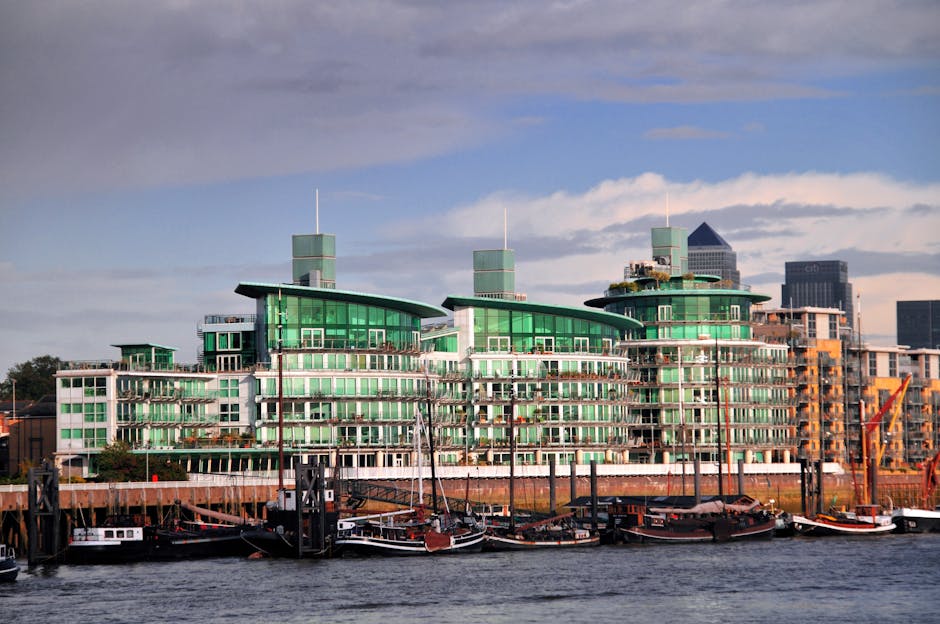
Imperial Wharf sits in a busy pocket of Sands End where rail access, riverside development, apartment blocks, and local traffic patterns all shape how a van can move. That makes the route choice as important as the lifting plan. If the vehicle cannot stop safely, if the path from the building to the kerb is awkward, or if the timing clashes with peak traffic, a move can slow down fast.
For residents and businesses, this matters for three main reasons. First, access affects time. A van that needs to circle several times or park far away adds walking, carrying, and waiting. Second, it affects risk. Longer carries mean more chance of scratching furniture, dropping boxes, or straining someone's back. Third, it affects costs. More time on site often means more labour hours, and sometimes more vehicle movements too.
Imperial Wharf is also the kind of area where a move can involve more than one access challenge at once. A flat may have lift restrictions, a loading bay may need to be timed carefully, and a nearby route may be fine for a small removal van but awkward for a larger lorry. That is why many people choose a flexible local option such as man and van in Sands End or a dedicated removal van service rather than trying to improvise on the day.
Key point: the best route is not always the shortest one. It is the one that allows safe stopping, sensible unloading, and a smooth walk from van to property.
How Imperial Wharf, Sands End: Station Access & Van Routes Works
In practical terms, this topic is about three connected things: getting close to the property, finding legal and safe stopping space, and moving items efficiently from the van to the building. Around Imperial Wharf, that usually means thinking about access from multiple angles, not just the postcode.
A route plan normally considers:
- the size and height of the vehicle
- whether the street allows easy turning or reversing
- temporary stopping or unloading space
- lift access, stairs, or concierge rules in the building
- traffic conditions at the chosen time of day
- protection for floors, doors, and shared areas
For station-adjacent areas, there is often a temptation to think, "I'll just stop for a minute." That sounds harmless, but in busy parts of Sands End, even a short stop can cause problems if the vehicle blocks access or ends up in the wrong place. A better plan is to identify a proper loading point, confirm the best approach street, and keep the load sequence tight so the van is not sitting around with the doors open for long.
Good movers also think backwards from the exit route. It is easy to focus on the front door, but if the building exit is narrow, the lift is small, or there are steps and corners, you want the van parked so the carry distance is short and the items can be moved in a tidy line. The difference is often only a few minutes, but those minutes matter when you are dealing with sofas, mattresses, desks, or fragile boxes.
For a deeper look at moving day organisation, our guide on how to move house without the stress is a useful companion read. It pairs well with packing like a pro if you want the whole process to feel a bit less frantic.
Key Benefits and Practical Advantages
Planning station access and van routes properly brings a few very real benefits. Not glamorous ones. Just the kind that make moving day noticeably better.
- Faster loading and unloading: shorter walking distances and fewer parking changes mean less time wasted.
- Lower damage risk: careful route planning reduces the chance of knocking walls, door frames, or furniture corners.
- Less physical strain: fewer awkward carries is always a good thing, especially with heavy or bulky items.
- Better timing: a planned route helps avoid traffic pinch points and peak commuter pressure near the station area.
- Cleaner coordination: building staff, neighbours, and movers know what is happening and when.
There is also a mental benefit, which people underestimate. When you know exactly where the van is going to stop and how items will get inside, the day stops feeling chaotic. You can concentrate on the move itself rather than improvising every five minutes. That alone is worth a lot.
If you are moving a home full of mixed items, access planning can also help you decide what should be moved in the first load. For example, large furniture can go in while the route is clear and the van is parked close, while smaller cartons can follow once the main items are in. That's a simple trick, but it works.
Who This Is For and When It Makes Sense
This is not just for people moving house. Imperial Wharf and Sands End attract a mix of residents, renters, students, professionals, and small businesses, and all of them can benefit from better route planning.
It makes sense if you are:
- moving into or out of a flat near Imperial Wharf station
- transporting furniture through a busy residential block
- handling a same-day move with limited time on street
- moving office equipment, stock, or archive boxes
- bringing in a bed, sofa, piano, or other bulky item
- trying to reduce disruption for neighbours or building management
Students and renters often benefit from a simpler vehicle setup. If that sounds like you, take a look at student removals in Sands End and flat removals in Sands End. Both are a good fit for smaller jobs where access is tight and timing matters more than brute force.
Businesses, meanwhile, may need a route that protects productivity as much as property. A smooth van arrival is not just a convenience; it can keep a workday from turning into a half-day of door-holding, lift waiting, and awkward box shuffling. Been there, seen that, not much fun.
Step-by-Step Guidance
Here is a practical way to plan station access and van routes around Imperial Wharf without overcomplicating it.
- Check the property access first. Find out whether the building has lifts, stairs, concierge rules, loading restrictions, or access codes. If there is a goods lift, note the dimensions and any booking requirements.
- Map the likely vehicle approach. Use a sensible route for the vehicle size you actually need. A small van can often work better than a large one in tighter streets, even if it means one extra run.
- Confirm parking or stopping arrangements. Do not assume a short stop will be fine. If possible, arrange a legal loading point or a place where the van can wait while items are brought down.
- Group your items by handling difficulty. Put awkward or fragile items near the exit point in the home so they can be loaded quickly when the van is ready.
- Protect the building and the load. Use blankets, wraps, straps, and floor protection where needed. This is especially useful in shared hallways and lifts.
- Allow for station-area traffic. Early mornings and later commuter windows can change the whole feel of the route. If the move is flexible, avoid the obvious busy moments.
- Build a clear handoff point. Decide exactly where the driver should wait, where boxes should be placed, and who is responsible for opening doors, holding lifts, or checking items.
If you are moving heavier furniture, it also helps to read up on lifting technique before the day. Our guides on the fundamentals of kinetic lifting and securely lifting heavy items explain the basics in plain English. No need to make heroics out of a sofa, really.
Simple rule: the fewer decisions you leave for moving day, the smoother the route will feel.
Expert Tips for Better Results
Local moves live or die on small details. Here are the ones that tend to make the biggest difference around Imperial Wharf and Sands End.
- Choose the vehicle to suit the access, not just the load. A slightly smaller van can save time if the streets are tighter and stopping is limited.
- Pre-label the first and last items. Put the things you need first near the front of the van or load them last, depending on the destination layout.
- Use a two-person carry for awkward items. This is safer for stairwells, corners, and lift entries, and it usually speeds things up too.
- Keep soft items wrapped. A sofa, mattress, or dining chair can pick up scuffs surprisingly quickly in a tight hallway.
- Bring a backup contact number. If the driver cannot reach you or building access changes, a quick call can save fifteen minutes of guesswork.
- Plan the unpacking order. If boxes are landing in a flat, decide where the bedroom, kitchen, and essentials will go before the van arrives.
For sofa protection and longer-term handling, the article on professional sofa storage techniques is genuinely useful. And if your move includes a bed setup that needs careful handling, the guide on moving beds and mattresses may save you a headache or two.
One small thing people forget: gloves. Not flashy, but they help with grip, especially on humid mornings or when boxes have a bit of that cardboard dust on them. Tiny detail. Big difference.
Common Mistakes to Avoid
The most common access problems are usually very ordinary ones. That is what makes them annoying.
- Assuming the van can stop anywhere. A quick stop is not always a safe or legal stop.
- Sending a vehicle that is too large. Bigger is not always better in residential or station-adjacent streets.
- Ignoring lift booking rules. If the lift is shared, a missed slot can derail the schedule.
- Leaving packing until the last minute. That often means the first half of the move is spent taping, repacking, and hunting for keys.
- Not measuring furniture. A sofa that looked fine in the lounge may be a very different story at the doorway.
- Forgetting to warn neighbours or building management. Sometimes a heads-up makes all the difference, especially in managed blocks.
There is also the classic mistake of trying to carry everything yourself because "it's only round the corner." Maybe. But if there are stairs, a tight turn, and a heavy cabinet, that "only" can turn into a sore back and a scratched wall. That's the sort of shortcut people regret by lunchtime.
If you want to avoid the usual moving-day chaos, the guide on decluttering before a move is a smart place to start. Less stuff usually means fewer access headaches, which is hardly a surprise.
Tools, Resources and Recommendations
You do not need a van full of specialist kit, but a few practical tools make the process much easier.
| Tool or Resource | Why It Helps | Best Used For |
|---|---|---|
| Removal blankets and wraps | Protect furniture from knocks and scuffs | Sofas, tables, cabinets, mirrors |
| Straps and trolleys | Improve control and reduce lifting strain | Heavy boxes, appliances, stacked items |
| Measuring tape | Confirms whether items, lifts, and doorways will work together | Pre-move access checks |
| Box labels and marker pens | Speeds up loading and unloading order | Any domestic or office move |
| Floor protection | Helps protect shared areas, hallways, and entrances | Managed buildings and flats |
For people moving into smaller homes or apartments, packing supplies in Sands End can help you get started cleanly. If you need somewhere to keep items while access is sorted out or dates do not line up perfectly, storage in Sands End is worth considering.
And if your move involves office equipment, tight deadlines, or a more structured handover, office removals in Sands End and general removal services can be a better fit than trying to manage it piecemeal.
Law, Compliance, Standards, or Best Practice
For station access and van routes, the most relevant point is usually best practice rather than complicated legal detail. Still, a few standards matter. In the UK, drivers must follow road traffic rules, parking restrictions, loading requirements, and any local restrictions that apply to the street or estate. Buildings may also have their own access rules, and those should be respected even when the move feels urgent.
From a safety perspective, sensible manual handling matters too. Heavy lifting should be planned, shared where needed, and kept within safe limits. The exact approach depends on the item, the space, and the people involved, but the general rule is simple: if the item is awkward, slippery, oversized, or likely to twist your body, get help.
For professional movers, insurance and safety procedures are not an optional extra. They help protect both the customer and the team. If you want to understand how a responsible operator approaches this, the pages on insurance and safety, health and safety policy, and terms and conditions are useful reference points.
For trust and service transparency, it also helps to know who you are dealing with. A quick read of the about us page can give useful background before you book.
Best practice in this area is straightforward: don't block access, don't guess on vehicle size, don't rush shared spaces, and don't leave safety to chance. Simple, but it saves trouble.
Options, Methods, or Comparison Table
Different moves around Imperial Wharf call for different approaches. The right choice depends on the size of the load, the level of access, and how much help you need on the day.
| Option | Best For | Strengths | Limitations |
|---|---|---|---|
| Man and van | Small to medium moves, flexible timing | Cost-effective, nimble, good for tighter streets | Less capacity than larger removal vehicles |
| Dedicated removal van | Furniture, multi-room loads, planned moves | Better load control, more structure | May need more careful route planning in busy access areas |
| Flat-moving service | Apartment moves with lifts, stairs, or shared entrances | Designed for building access challenges | May not suit unusual or oversized items alone |
| Same-day removals | Urgent moves and short-notice collections | Fast response, convenient in emergencies | Less room for route flexibility if access is tight |
If you are weighing up the options, our local service pages for man with a van in Sands End, house removals, and same-day removals are good places to compare what fits your schedule and access conditions.
Truth be told, the best option is often not the most expensive one. It is the one that matches the access reality outside your front door.
Case Study or Real-World Example
Imagine a one-bedroom flat move near Imperial Wharf on a weekday morning. The residents want the van in before the area gets too busy, but the building has a shared entrance and a lift that can only take one decent-sized load at a time. There is also no appetite for a long wait on the street, because everyone knows how quickly traffic can shift.
The team plans the route in advance, chooses a vehicle that can navigate local streets comfortably, and confirms the best stopping point with the resident before arrival. The boxes are labelled, soft furnishings are wrapped, and the heavier items are grouped near the exit. Because of that preparation, the driver does not need to hover while details are sorted. The first run includes the bed frame and mattress, which are easier to move once the access path is clear. The second run handles boxes and kitchen items. The whole move finishes without the usual "where did we leave that lamp?" moment.
That sort of job is not dramatic. It is just well handled. And that is usually the real success metric. No scraped walls, no late panic, no confused neighbour trying to squeeze past a sofa in the hallway. A boring moving day is a good moving day.
For similar situations, our article on cleaning a property before moving can help with the final handover, while expert piano moving guidance is useful if your job includes something particularly delicate.
Practical Checklist
Use this checklist before moving day. It keeps the plan grounded, especially if you are managing the move yourself.
- Confirm the full address and any building access instructions
- Check whether the lift needs booking or has size limits
- Measure any large furniture, especially sofas, beds, and wardrobes
- Choose a van size that suits the street and access point
- Plan where the van will stop and how long it can stay there
- Label boxes clearly by room and priority
- Protect floors, doors, and furniture with suitable materials
- Keep essentials separate for the first night
- Warn neighbours or building staff if required
- Have phone numbers ready for the driver and contact person
If you are still sorting the last bits, a quick look at recycling and sustainability can help you deal with unwanted items responsibly rather than just shoving them in a corner for later. We have all done that, and, well, "later" has a way of becoming next month.
Conclusion
Imperial Wharf, Sands End: Station Access & Van Routes is really about turning a potentially tricky local move into a controlled, practical process. If you get the route right, choose the right vehicle, and understand the access rules at the property, everything else becomes easier. Loading is quicker. Carrying is safer. Stress drops.
The biggest win is not speed for its own sake. It is confidence. You know where the van is going, how items will move, and what to expect when you arrive. That kind of preparation saves time and protects your furniture, your building, and your energy. And on moving day, energy is precious.
If your move is near the station or anywhere in Sands End, a bit of planning goes a very long way. Start with access, work out the route, and let the move unfold in a way that feels calm rather than rushed. Small details, handled early, make the whole thing feel lighter.
Get a free quote today and see how much you can save.