Townmead Road removals guide for Sands End residents
If you are planning a move around Townmead Road, you already know this isn't just a matter of boxing things up and hoping for the best. Sands End has its own quirks: tighter residential streets, busier peak times, awkward parking, and the usual London reality of needing to think two steps ahead. This Townmead Road removals guide for Sands End residents is designed to help you move with less stress, fewer delays, and a lot more confidence.
Whether you are moving out of a flat, relocating a family home, or just shifting a few heavy pieces across the neighbourhood, the key is good planning. The right moving approach can save you time, protect your belongings, and stop small problems turning into very annoying ones. Let's face it, nobody wants a removal day that starts with a blocked bay and ends with a scratched sofa.
Below, you'll find practical advice on planning, access, packing, vehicle choice, timing, and the small local details that tend to make the biggest difference. There's also a checklist, a comparison table, and a realistic example based on the sort of move people in this part of Fulham and Sands End often face.
Table of Contents
- Why this guide matters
- How the moving process works
- Key benefits and practical advantages
- Who this is for and when it makes sense
- Step-by-step guidance
- Expert tips for better results
- Common mistakes to avoid
- Tools, resources and recommendations
- Law, compliance, standards, and best practice
- Options and comparison table
- Case study / real-world example
- Practical checklist
- Conclusion
- Frequently asked questions
Why Townmead Road removals guide for Sands End residents Matters
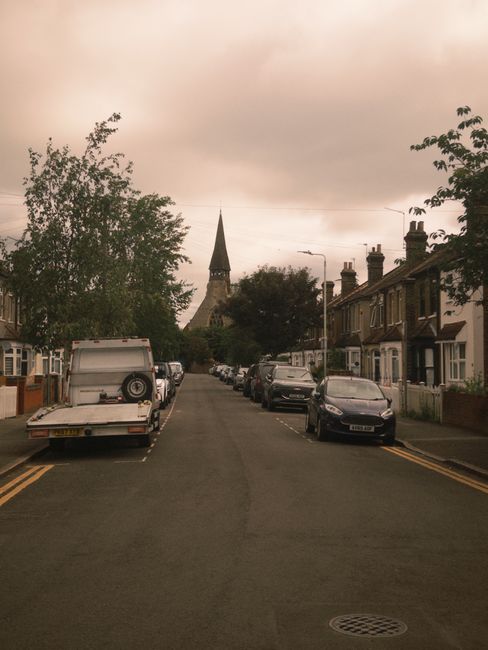
Townmead Road sits in an area where moving logistics can become more complicated than they first look on a map. In Sands End, you often have a mix of apartments, converted buildings, family homes, and side-street access that can make loading and parking feel a bit tighter than expected. That matters because removals are won or lost on the details: where the van can stop, how far items must be carried, whether lifts are available, and whether neighbours can still get past.
A good local removals plan does more than save effort. It reduces the chance of damage, keeps the day moving, and helps you avoid rushing at the worst possible moment. A smooth move usually looks boring from the outside. That's a good thing. The best move is the one nobody remembers for the wrong reasons.
This guide is also useful because Sands End residents often balance home life with commuting, school runs, deliveries, and work schedules. If you get the sequence wrong, the day can unravel fast. If you get it right, the move feels manageable, even if you are dealing with a third-floor flat and a table that seems to have been designed by someone with a grudge.
It also helps you decide what kind of service you actually need. A full house move, a smaller van service, a furniture-only collection, or a more involved man and van job are not the same thing. Matching the job to the vehicle and team size is one of the simplest ways to keep costs and stress under control.
How Townmead Road removals guide for Sands End residents Works
At its simplest, a removals job on or near Townmead Road follows a few repeatable stages: assess the property, estimate the load, plan access, choose the right vehicle, pack sensibly, and move in a controlled sequence. That sounds straightforward, but local conditions matter. A move that works perfectly on a suburban driveway can go sideways in a narrow street if nobody has thought about parking or carry distance.
The process usually starts with a walk-through or a careful description of what needs moving. This is where details count. Are there stairs? Is there a lift? Can a van stop outside? Do any large items need dismantling? Is the move a one-trip job or will it need several runs? These are not minor questions. They are the difference between a calm move and a long afternoon of improvisation.
From there, you decide on the service type. Some residents only need a single-vehicle solution, while others benefit from a more complete removals package. If the move involves wardrobes, white goods, or fragile items, it may be worth considering packing and unpacking services as well, especially when time is tight or the move includes breakables.
On the day itself, the removal team should load in a sensible order: bulky items first, fragile boxes protected and separated, essentials kept accessible, and anything awkward handled carefully. That part is not glamorous, but it matters. One bad stack can cause a domino effect you really don't want.
Key Benefits and Practical Advantages
The most obvious benefit of planning a Townmead Road move properly is less stress. But there are several other advantages that are easy to overlook until the day arrives.
- Better time control: A clear plan reduces waiting, circling, and backtracking.
- Lower damage risk: Items are packed, lifted, and loaded in a more orderly way.
- More accurate vehicle choice: You avoid paying for more van than you need, or worse, not enough.
- Improved access planning: Less frustration around parking, lifts, and carrying distance.
- Cleaner handover: If you're leaving a property, it is easier to finish on time and hand back keys without a scramble.
There's also a quieter benefit: it gives you a sense of control. Moving house can feel slightly chaotic even when everything is going well. A well-structured plan brings the noise down a notch. You know where the kettle is, you know which box has the chargers, and you don't have to open six containers to find a toothbrush. Tiny victory, but still a victory.
For local residents, another advantage is choosing a service that understands the area and the kind of jobs common around Sands End. If you're comparing providers, it helps to look at wider options such as removal services and removal companies so you can judge what level of support is actually needed.
Who This Is For and When It Makes Sense
This guide is for Sands End residents who need a practical, local-minded approach to moving. That includes renters, first-time buyers, families upsizing, downsizers, and anyone shifting belongings between nearby streets. It is also useful if you are moving from a flat with stairs, a building with lift restrictions, or a property where access is a little less than ideal. Which, to be fair, covers a fair number of London moves.
You'll get the most value from this if you are deciding between a small van job and a fuller removals service, or if you want to avoid overbooking help that you do not need. A compact move may suit a smaller vehicle such as a removal van or moving van, while larger house moves may need a bigger setup and more hands.
It also makes sense for anyone moving a few high-value pieces rather than a whole home. In those cases, a furniture-only solution or a lighter-touch service can be much more efficient. For example, if you are sending a dining table, a bed frame, and two wardrobes to another address nearby, you do not need to plan like you are moving an entire office block. That's just overkill.
Business customers in the Sands End area can also use similar planning principles for workspace moves. If your relocation involves desks, filing, or equipment, the thinking behind commercial moves and office removals can be helpful, even if the move is a small one.
Step-by-Step Guidance
If you want the move to feel organised rather than rushed, follow a simple sequence. Nothing fancy. Just a solid system.
- Start with a proper inventory. Write down what is going, what is staying, and what needs dismantling. A quick list on paper is better than a vague memory the night before.
- Measure awkward items. Sofas, beds, wardrobes, mirrors, and appliances often cause problems at doors and stairwells. Measure them early, not on moving day with someone holding a door open.
- Check access at both ends. Think about parking, loading space, lift size, entry codes, and any route that may force extra carrying. A property can look easy until the van arrives.
- Choose the right vehicle. For a small flat move or a few items, a man with a van style service may be enough. For larger loads, a more substantial vehicle or a moving truck may be more efficient.
- Pack room by room. Label boxes clearly. Keep essentials apart. Kettle, medication, chargers, documents, and a change of clothes should not vanish into the abyss.
- Prepare fragile items properly. Use padding, fill empty space inside boxes, and separate glassware from heavier items.
- Reserve the moving day schedule. Leave breathing space around handover times, lift bookings, and parking arrangements.
- Do a final sweep. Check cupboards, loft spaces, under beds, behind doors, and inside utility areas. People forget things in the strangest places.
If you are moving a full household, it can be worth reading more about home moves and house removals so you can understand the level of support that may be appropriate. The right service should fit your load, your timeline, and your access conditions-not the other way round.
Expert Tips for Better Results
A few small decisions can have a big effect on the day. Here are the ones that tend to matter most in real life.
- Book earlier than you think. Local moving slots can disappear quickly, especially around month-end and weekends.
- Avoid peak traffic if possible. Even a short local move can be slowed down by school run traffic or a badly timed delivery outside.
- Keep a "first hour" box. Put in tea bags, mugs, toilet paper, snacks, scissors, phone chargers, and any key paperwork.
- Use colour labels. A simple colour for each room saves time when boxes come off the van.
- Photograph complex setups. Cable backs, shelf arrangements, and assembled furniture are much easier to rebuild with reference photos.
- Leave a little slack. Truth be told, most moves benefit from an extra 15 to 30 minutes of buffer time somewhere in the day.
One of the best local habits is to keep your vehicle and access plan simple. If the street is tight, a compact van that can stop cleanly is often better than a larger vehicle that needs repeated repositioning. That sort of thing sounds minor until the third time you ask somebody to shuffle the van by half a metre. Then it becomes the whole morning.
Another useful tip: if you are moving mixed items, separate the fragile and the heavy at the planning stage. A carefully packed move always looks calmer than one where the boxes are just stacked by luck and hope.
Common Mistakes to Avoid
Most moving problems are avoidable. Not all, but most. And the ones that do happen tend to come from the same handful of mistakes.
- Underestimating load size: The spare room, loft, or hallway cupboard always contains more than you remember.
- Ignoring parking reality: If the van cannot stop sensibly, everything takes longer.
- Packing too late: Last-minute packing often leads to mixed boxes, poor labelling, and breakages.
- Not checking lift access: A lift that is too small for furniture can derail the whole plan.
- Forgetting disassembly tools: Allen keys, screwdrivers, tape, and bagged fixings should be ready before the move begins.
- Leaving essentials in random boxes: That's how you end up buying a toothbrush at 8:30pm because yours is somewhere inside a box marked "books".
Another easy mistake is assuming every move needs the same level of service. Some residents need full help, while others just need transport and lifting support. If you compare the available options fairly, you are more likely to choose well. For example, there is a difference between a simple man and van removals job and a more complete house-moving setup.
Finally, don't leave the property condition check until the end. If you need to protect floors or walls in tight access areas, sort that before heavy items start moving. It is much easier to prevent a mark than to explain one afterwards.
Tools, Resources and Recommendations
You do not need a truckload of specialist kit to move well, but a few simple tools make everything smoother. In our experience, the difference between a frantic move and a controlled one often comes down to basic supplies.
- Strong cardboard boxes or plastic totes for general packing.
- Furniture blankets to reduce scuffs and edge damage.
- Bubble wrap or paper wrap for delicate items.
- Marker pens and labels for room-by-room identification.
- Mattress covers to keep fabric clean during transport.
- Tape, scissors, and zip bags for fittings and small parts.
If you need help packing as well as moving, a combined service can reduce the number of moving pieces in the day. That is especially useful if you are juggling work, children, or a short overlap between tenancies. You may also want to check practical support pages like packing and unpacking services and removals near me to understand the kinds of local support people commonly look for.
For bigger relocations, a vehicle choice matters. Some people assume a smaller van is always cheaper. Not always. If it means three extra trips, the less expensive vehicle can quietly become the more expensive option. It happens all the time, and it's one of those things people only notice after the first run.
Law, Compliance, Standards, or Best Practice
Removal work in London is not just about muscle and mileage. There are sensible standards and everyday obligations that help keep the move safe, legal, and respectful to neighbours and property.
For residents, the most practical points are usually straightforward:
- Parking and access: Make sure the vehicle can stop legally and safely. If restrictions apply, plan around them rather than hoping for the best.
- Health and safety: Heavy lifting should be done carefully, with sensible handling and suitable equipment where needed.
- Insurance and protection: Reputable moving providers should be able to explain how belongings and property are covered in broad terms.
- Property care: Floors, walls, and door frames should be protected where practical, especially in narrow entries or communal areas.
- Building rules: Flats and managed properties may have specific booking windows, lift rules, or loading restrictions.
It is also sensible to read service terms before booking. That may include payment terms, cancellation expectations, and the scope of the job. If you want a more complete picture of how a provider handles these matters, pages such as insurance and safety, health and safety policy, and terms and conditions are useful places to start.
Best practice is not about making the move complicated. It is about reducing avoidable risk. A move that is planned well, packed sensibly, and loaded carefully will almost always go more smoothly than one built on optimism alone. And optimism, to be fair, does not carry a wardrobe downstairs.
Options, Methods, or Comparison Table
Different move sizes call for different methods. The best choice depends on how much you are moving, how far you are going, and how awkward the access is at either end.
| Option | Best for | Strengths | Possible drawbacks |
|---|---|---|---|
| Man and van | Small flats, a few bulky items, short local moves | Flexible, simple, often efficient for nearby jobs | May be too small for larger household loads |
| Removal van | Medium-sized domestic moves | Good balance of space and manoeuvrability | Can still require careful loading if access is tight |
| Moving van with extra support | Heavier furniture, multiple rooms, mixed items | More capacity, often less back-and-forth | Needs thoughtful parking and route planning |
| Full house removals | Family homes, larger property moves, complex jobs | More comprehensive and organised | Usually more preparation required |
If you are unsure where your move sits, start by comparing the job size to the type of service you think you need. The difference between a local lift-and-load and a full house move can be quite significant. If the answer is "I'm not sure," that is usually the sign to get a fuller assessment before booking.
Residents moving more substantial loads may want to look at house movers, house removalists, or man with van options depending on the scale of the job.
Case Study or Real-World Example
Here's a realistic Sands End scenario. A couple living near Townmead Road are moving from a two-bedroom flat to another property just a short distance away. They have a sofa, bed frames, two wardrobes, a dining table, a handful of lamps, about thirty boxes, and a couple of fragile mirrors. The building has a lift, but it is small, and the loading area outside is not ideal for leaving a vehicle parked for long.
They start by sorting items into three groups: keep with them, move on the van, and donate or dispose of separately. Then they measure the wardrobes and check that they will fit through the lift and the new bedroom doorway. That one step saves them a headache later, because one wardrobe needs to be partially dismantled. Better to know that before removal day than while standing in a hallway with a drill and a growing sense of despair.
They also keep one box aside for essentials: kettle, mugs, toilet paper, phone chargers, a basic toolkit, and snacks. Nothing fancy. Just enough to make the first evening workable.
On the day, the team loads the heaviest furniture first, protects surfaces where needed, and keeps the most delicate items separate. Because the move is local, the job is completed in a single run, and the clients can settle in the same afternoon. It is not magic. It is just preparation, sensible loading, and choosing a service that matches the job.
That kind of move is exactly why local planning matters. Short distance does not always mean simple move, but with a little structure, it becomes very manageable.
Practical Checklist
Use this checklist in the week before your move. It will save you from the classic last-minute scramble.
- Confirm your moving date and access times.
- Check parking and loading arrangements at both addresses.
- Measure large furniture and note anything that needs dismantling.
- Pack non-essential items first.
- Label every box with the room and a short contents note.
- Set aside a clear essentials box.
- Protect fragile items with appropriate wrapping.
- Keep tools and fixings together in one bag.
- Tell neighbours or building management if access might be affected.
- Do a final walk-through of cupboards, lofts, and storage spaces.
- Make sure phones are charged and key contacts are saved.
- Keep water and snacks handy. Seriously, it helps.
Expert summary: if you want a calmer move on or around Townmead Road, focus on access, load size, and packing order first. Those three things solve more problems than any last-minute rush ever will.
Get a free quote today and see how much you can save.
Conclusion
A successful move in Sands End is rarely about luck. It is usually about preparation, realistic planning, and choosing the right service for the job. Townmead Road moves can be straightforward when the access is understood, the boxes are labelled, and the vehicle fits the load properly. Miss those basics, and even a small move can turn into a long day.
The good news is that most of the stress is avoidable. If you check parking, measure furniture, pack in stages, and match the move to the right level of help, you give yourself a much better chance of a clean, calm moving day. Not perfect maybe, but a lot better. And honestly, that is what most people need.
For residents who want a smoother experience, the best next step is simple: review your moving needs, compare the available support, and choose a team that is clear about access, timing, and care. A little clarity now can save a lot of chaos later. That's the whole game really.
Frequently Asked Questions
What should Sands End residents check before a Townmead Road move?
Start with parking, access, lift size, and the volume of items being moved. Those four things usually tell you whether you need a small van job or something more substantial.
Is a man and van service enough for a local move?
Often yes, if you are moving from a small flat, shifting a few items, or moving locally with limited furniture. If you have several rooms of belongings, you may need a larger vehicle or a fuller removals setup.
How far in advance should I book removals in Sands End?
As early as possible, especially if you need a weekend slot, month-end date, or a move that depends on building access windows. Good slots tend to go quickly.
What if my building has a small lift or awkward stairs?
That should be shared before booking. It affects the amount of time needed, the number of people required, and sometimes the type of vehicle that makes sense.
Do I need packing and unpacking help?
Not always, but it can be useful if you are short on time, moving fragile items, or trying to keep the day as simple as possible. It is especially handy for busy households.
How do I know whether I need a removal van or a moving truck?
If your load is fairly modest, a removal van may be plenty. For larger household moves or jobs with more furniture, a bigger vehicle can reduce the number of trips and save time.
What are the most common mistakes on moving day?
Underestimating the load, forgetting parking issues, packing too late, and not keeping essentials separate are the big ones. They sound small, but they create most of the hassle.
Can I move furniture only, rather than a whole property?
Yes, absolutely. Many people just need a sofa, bed, wardrobe, or dining set transported. In those cases, a smaller, targeted service is often the better choice.
What should I put in my essentials box?
Put in chargers, kettle items, toiletries, toilet paper, basic tools, medication, important documents, and a change of clothes. That box should be easy to reach, not buried under the sofa cushions.
How can I keep the move from dragging on?
Pack early, label clearly, protect fragile items, and keep access instructions simple. Also, be honest about the amount of stuff you are moving. That helps more than people think.
Are full house removals better than a smaller van service?
Not always. The best service is the one that fits the size and complexity of the move. A smaller job does not need a heavy-handed solution, while a larger move should not be squeezed into something too limited.
Where can I learn more about service options and trust signals?
Useful pages to review include about us, pricing and quotes, and insurance and safety. They help you understand how a provider works before you book.
Moving day can feel like a lot, but with the right plan it becomes just another job to get through, not a saga. And that is a very good place to be.